A journey from holistic well-being to higher awareness.
The word Reiki is commonly explained through the Japanese terms “Rei,” referring to the universal or spiritual dimension, and “Ki,” referring to life-force energy. Reiki is therefore understood as a practice connected with universal life energy. The concept of Prana, or vital life force, has deep roots in the philosophical traditions of India. Although Reiki and the Indian concept of Prana arise from different cultural traditions, both offer perspectives for exploring life, energy, awareness and inner balance.
Reiki for Holistic Well-Being
Reiki practice provides a calm and meditative space that may support physical, mental, emotional and spiritual well-being. It encourages relaxation, mindful awareness and a deeper connection with one's self. Through gentle hand placements or hands held above the body, Reiki is practiced with the intention of promoting a state of relaxation, balance and inner harmony.
We offer Structured Path of Learning and Awareness.
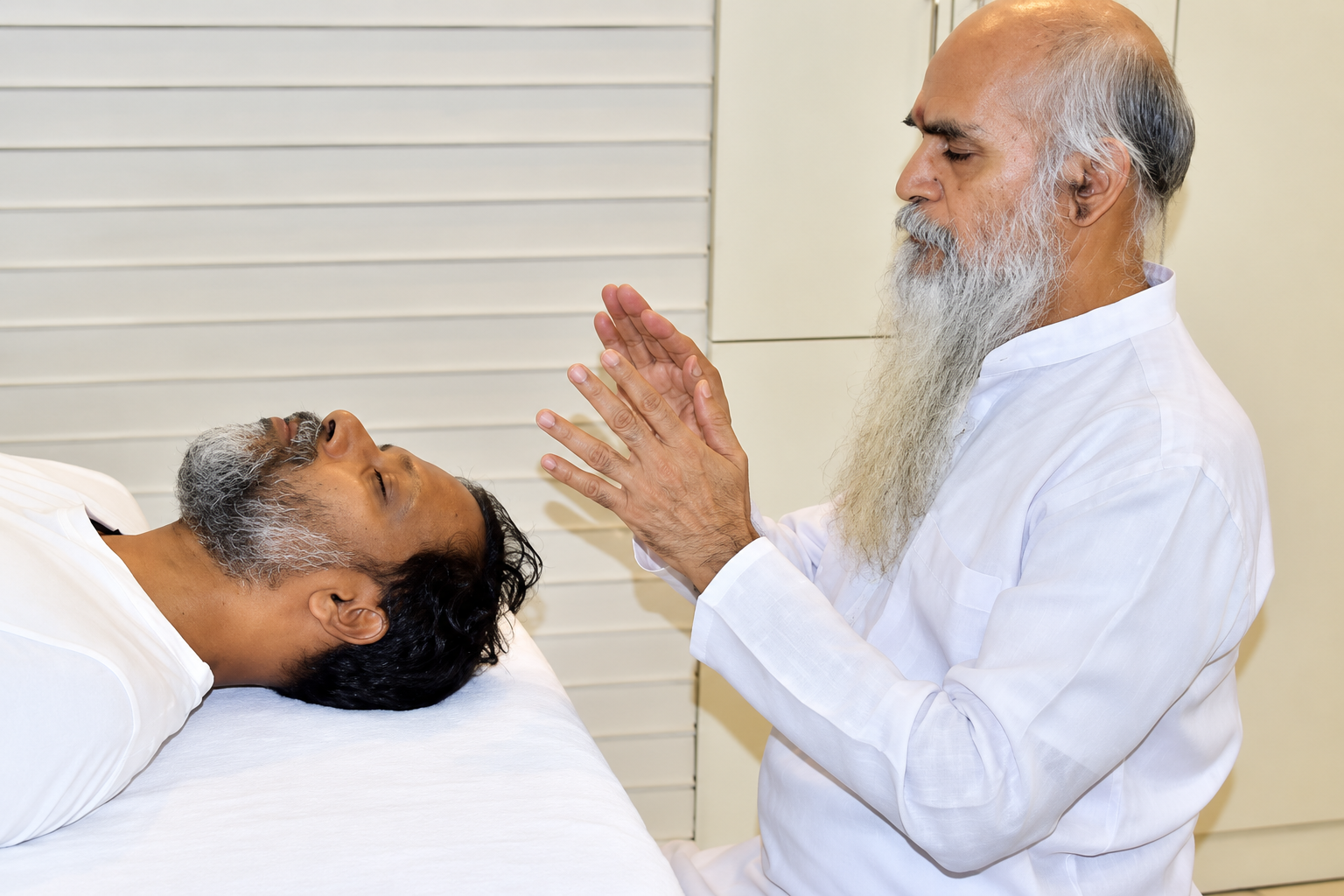
Gautama Buddha’s teachings on compassion, mindfulness, and inner peace resonate deeply with the principles of Reiki. His path encourages awareness, loving-kindness, and the transformation of inner suffering—qualities that complement the Reiki journey of self-healing and spiritual growth.
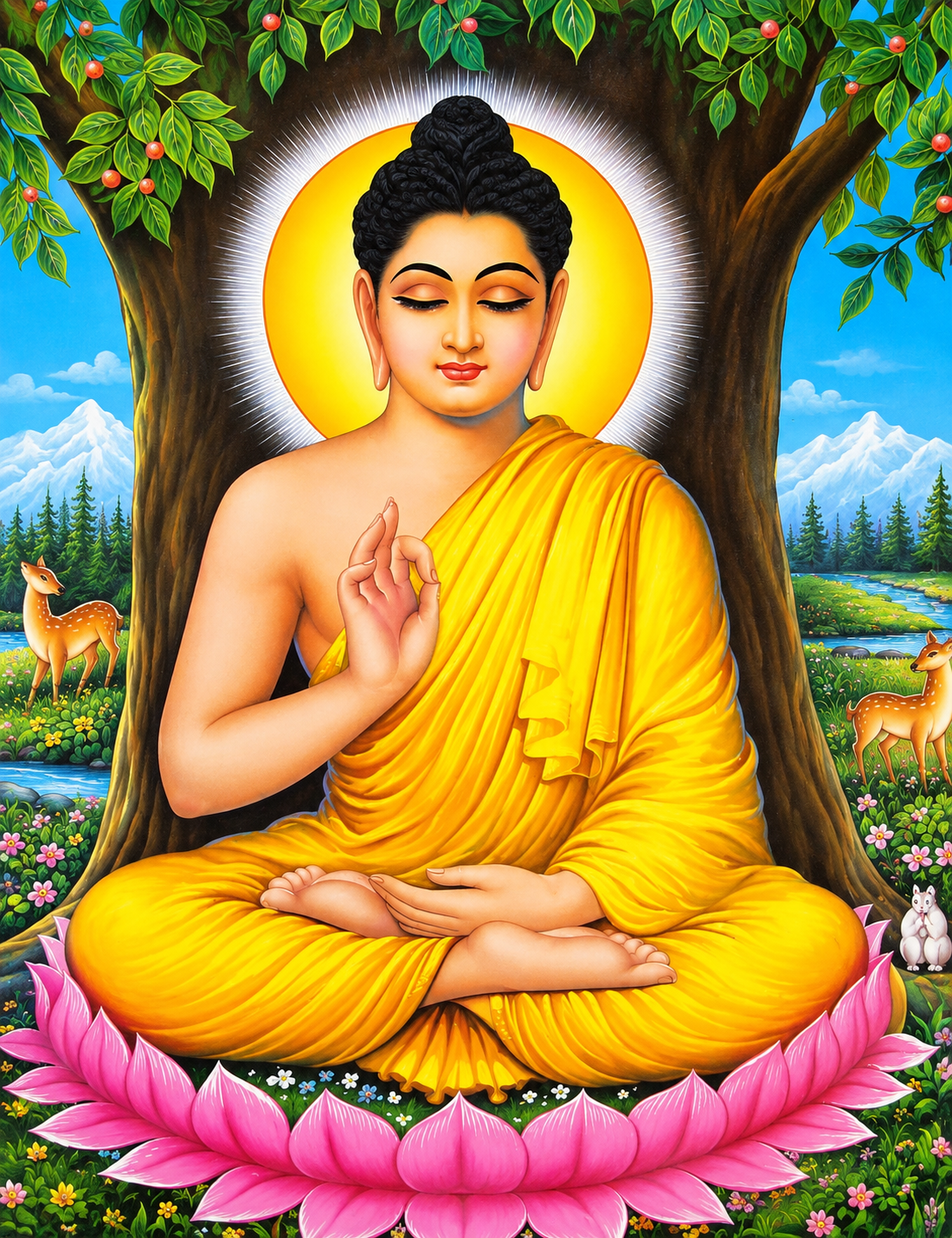
Mikao Usui was a Japanese spiritual teacher who developed Usui Reiki Ryoho, a complementary energy healing modality centred on channeling universal life energy, or ki.
In 1922, following a 21-day period of meditation, fasting and prayer on Mount Kurama near Kyoto, Usui attained spiritual awakening, or satori, and formulated the foundational methods of Reiki. Later that year, he founded the Usui Reiki Ryoho Gakkai in Tokyo to treat individuals and train students in hands-on healing techniques.
Usui emphasised mental and spiritual wellness as the foundation of physical health, establishing five daily precepts adapted from the Meiji Emperor's poetry:
Before his passing in 1926, Usui trained over 2,000 students and initiated around 20 teachers, known as Shinpiden. His teachings laid the groundwork for Reiki's global spread as a recognised system of holistic healing and personal development.
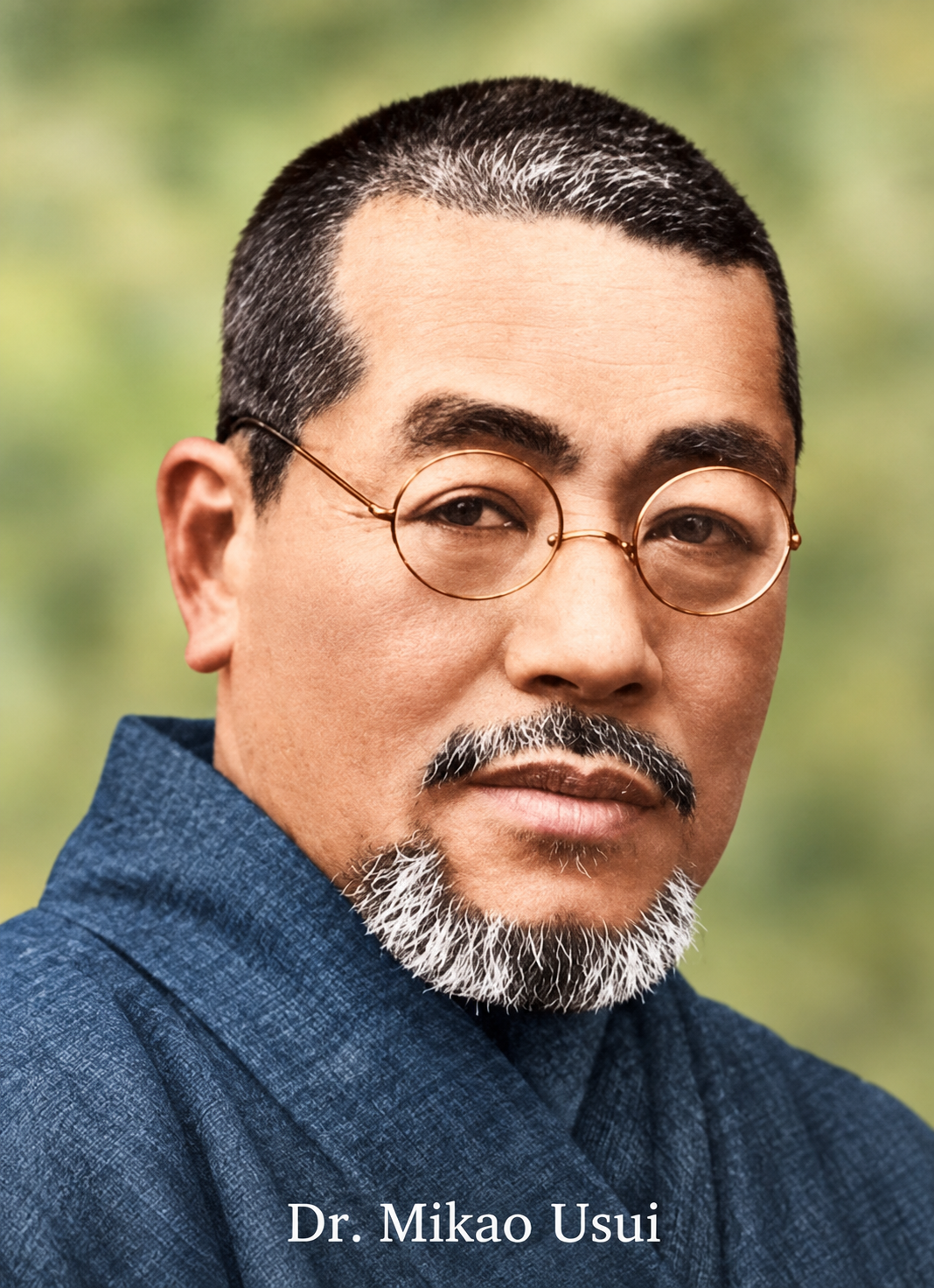
Channels ki (Life force energy) to restore energetic balance and stimulate the body's natural healing mechanisms.
Focuses on physical, mental, emotional, and spiritual harmony rather than treating localized symptoms in isolation.
Utilizes gentle hands-on or hovering hand placements over key energy centers (chakras) without physical manipulation, massage or pressure.
Relies on a specific spiritual initiation process performed by a Reiki Master to open and align the practitioner's energy pathways.
Incorporates the Five Precepts (Gokai) to cultivate daily mindfulness, emotional stability, gratitude, and compassion.
Functions as a supportive practice alongside conventional medical treatments to reduce stress, ease tension, and enhance deep relaxation.
Learning Reiki is simple. The ability to practice is passed on during an "Attunement" or "Deeksha" given by a Reiki Master. From this moment, the student feels the surprising flow of life force energy.
Reiki's effectiveness does not depend on educational qualification, social status or intellect — only on consistent practice. Practice makes a person efficient in Reiki.
Reiki treats the whole person — body, emotion, mind and spirit. It is a safe method of spiritual healing, effective on every known and unknown illness, and can be practised alongside any other treatment.
Even though Reiki is spiritual in nature, it is not a religion. It came from the divine — more in touch with Reiki means more in touch with God.
Foundations of Reiki principles and energy body.
Deeper attunement and advanced healing practice.
Mastery of healing, aura reading and thantra.
The highest level — Reiki Tantra and Grand Mastership.
No. Reiki has no side effects and can be practised alongside any other system of medical treatment.
No. Reiki's effectiveness does not depend on educational qualification, social status or intellectual capacity — only on sincere, consistent practice.
Reiki is spiritual in nature but is not tied to any one religion. It is open to people of every belief and background.
Many students describe an unlimited, surprising flow of life force energy from the very first Attunement session.
Yes. Admission is open even to disciples of other Reiki Masters seeking to continue their journey with us.
Book a personal consultation and discover the healing power of Universal Life Energy.
Book Consultation